The Complete Advanced Guide to Off-the-Beaten-Path Destinations for Experienced Travelers
Recent Trends in Off-the-Beaten-Path Travel
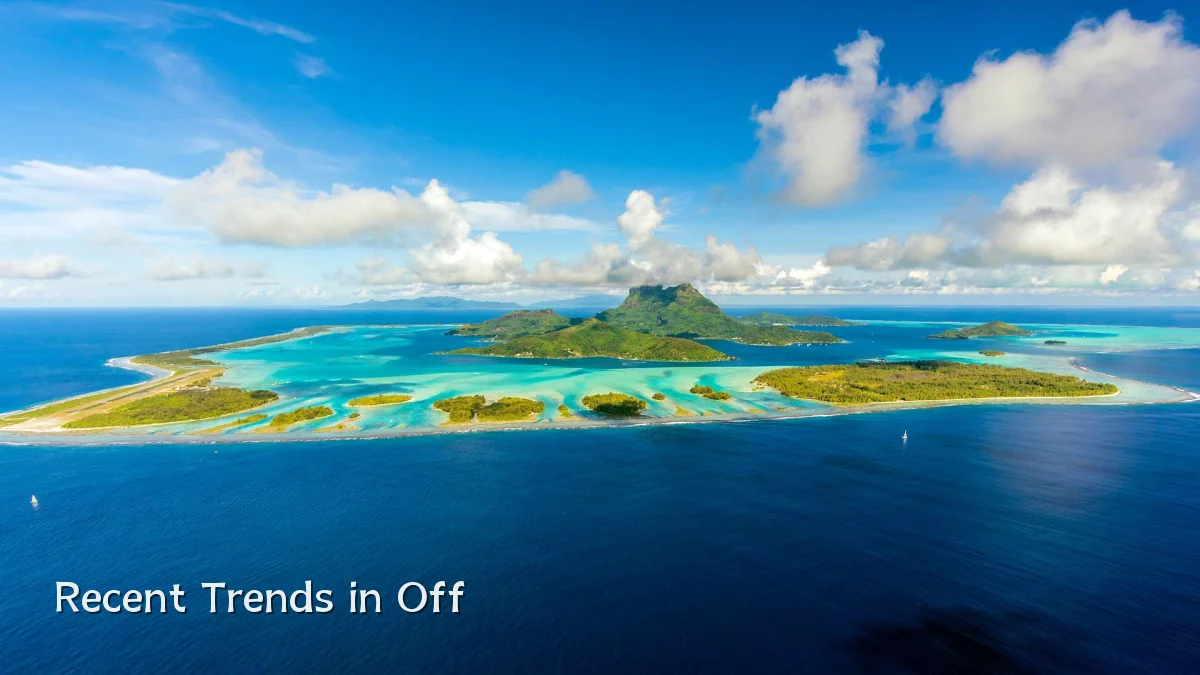
Experienced travelers increasingly seek destinations that offer cultural immersion and solitude rather than crowded landmarks. Recent shifts include interest in remote regions such as the high-altitude villages of the Andes, lesser-known archipelagos in Southeast Asia, and under-visited national parks in Central Africa. Travel platforms report a notable rise in queries for "alternative routes" and "undiscovered regions" among repeat travelers.
- Growth in overland expeditions across Central Asia and the Caucasus
- Rise of community-based tourism initiatives in rural regions
- Increased use of satellite connectivity for navigation in remote areas
Background and Context
The concept of off-the-beaten-path travel has evolved. Previously, it often meant merely avoiding major tourist hubs. Today it involves deeper preparation—understanding local geopolitical conditions, environmental fragility, and cultural protocols. Many seasoned travelers now prioritize destinations that are accessible only by multi-day treks or require specialized permits. The shift reflects a broader desire for authenticity and low-impact exploration.

Key Concerns for Experienced Travelers
While the appeal is strong, such destinations present unique challenges. Travelers must navigate limited infrastructure, potential health risks, and variable safety conditions. Ethical considerations also arise: how to visit without disrupting local communities or ecosystems. Common concerns include:
- Reliable transportation and communication options
- Access to emergency services and medical evacuation
- Cultural sensitivity and permission protocols for photography or ceremonies
- Environmental conservation policies (e.g., limited visitor numbers, waste management)
Likely Impact on the Travel Industry
As demand grows, tour operators and destination managers are adapting. Smaller, specialty agencies now curate itineraries that spread visitor pressure across multiple remote sites rather than concentrating it. Some governments are implementing permit caps and trail maintenance fees to preserve fragile areas. The trend also encourages local entrepreneurship in homestays, guiding, and handicraft sales, though this can lead to rapid commercialization if not managed carefully.
- Development of low-impact accommodation models (e.g., eco-lodges, yurt camps)
- Partnerships between conservation groups and travel companies
- Possible over-tourism spillover to previously obscure spots
What to Watch Next
Monitoring a few key developments can help experienced travelers anticipate changes. Watch for updates on permit systems in popular remote areas—some may become more restrictive. Also note advances in portable renewable energy and water purification technology, which can expand viable travel options. Finally, the growth of digital nomad visas in countries with underdeveloped tourism infrastructure may blur the line between travel and residence, affecting local dynamics.
- Expansion of expedition cruises to polar and sub-polar regions
- Emergence of "slow travel" corridors in rural hinterlands (e.g., the Pamir Highway, the Carretera Austral)
- Increased collaboration between indigenous communities and travel networks