Unlocking Britain's Hidden Gems: Expert-Led Tours Beyond the Tourist Trail
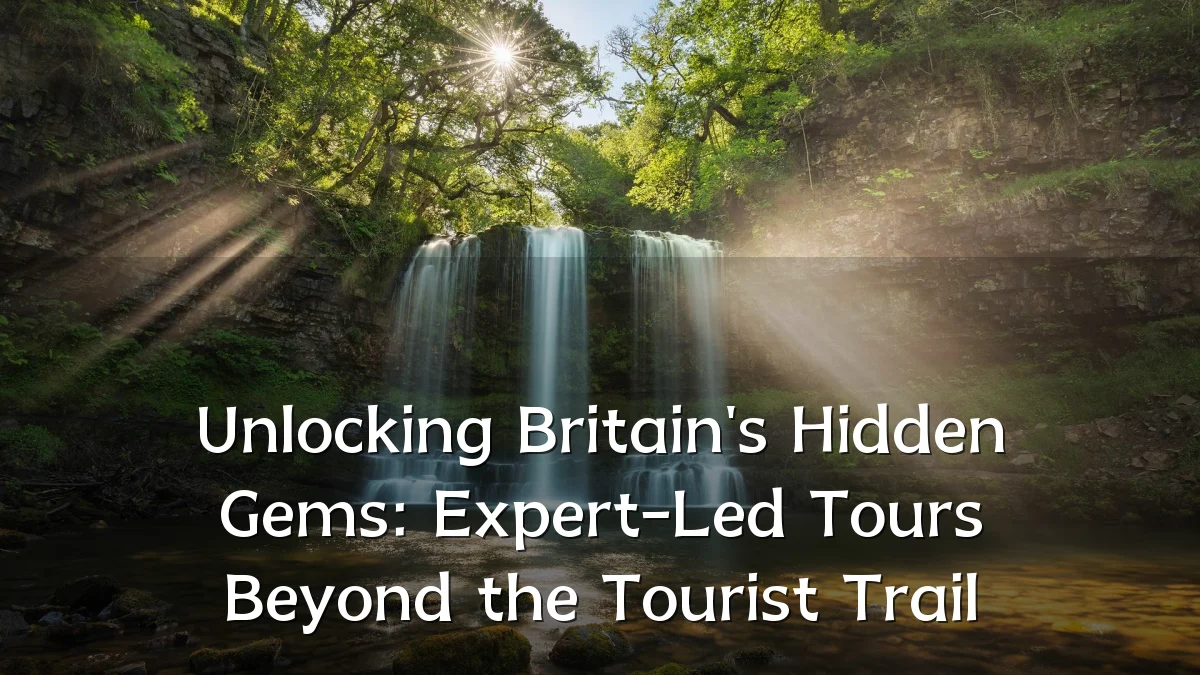
A quiet shift is underway in the UK travel sector. While major attractions continue to draw crowds, a growing number of visitors are seeking structured, small-group experiences led by specialists in history, ecology, architecture, or local crafts. These “expert UK tours” promise access to lesser-known sites and deeper context, moving beyond standard guidebook itineraries. This article examines the drivers, concerns, and potential effects of this emerging niche.
Recent Trends
Over the past few travel seasons, demand for curated, knowledge-rich tours has risen steadily. Operators report that travelers—particularly from North America, Europe, and domestic markets—are asking for itineraries focused on specific themes rather than broad sightseeing. Examples include guided walks along Roman walls with a retired archaeologist, foraging excursions led by a mycologist, or architectural tours of post-industrial towns with a planning historian. Social media and travel blogs have amplified awareness of these offerings, often highlighting experiences not found in standard brochures. The trend also aligns with a broader post-pandemic preference for smaller groups and outdoor or semi-outdoor activities.

Background
Britain’s visitor economy has long relied on a core set of landmarks—castles, cathedrals, museums, and royal residences. Traditional guided tours typically follow a fixed route with commentary based on general knowledge. The emergence of expert-led tours responds to two developments: first, a saturation of content about famous sites, which leaves some travelers wanting new perspectives; second, the growth of the “authenticity” market, where tourists value meeting locals with genuine expertise. Many expert tours are run by small, independent companies or academic institutions, often partnering with local heritage groups. They are not new (specialist walking tours have existed for decades), but their scale and visibility have expanded noticeably since around 2019.

User Concerns
Potential customers face several practical and trust-related issues when considering expert-led tours:
- Verification of expertise: There is no universal certification for tour guides. Travelers must assess whether a guide’s credentials—academic degree, professional background, published work—are authentic and relevant.
- Cost and value: Expert tours often carry a premium price, sometimes double or triple the cost of a standard group tour. Buyers question whether this premium yields significantly better insight or simply a marketing label.
- Accessibility and pace: These tours frequently involve long walks, uneven terrain, or stops in remote locations. People with limited mobility or specific time constraints may find few options.
- Small group dynamics: Tours of 4–8 people can be intimate but also demanding; a single difficult participant can affect the experience for everyone.
- Consistency of quality: Because many operators are small, quality can vary widely. Reviews are often scarce for new or seasonal tours.
Likely Impact
The growth of expert-led tours is expected to influence several areas of the UK travel ecosystem:
- Local economies: Tours that venture beyond popular hubs direct spending to smaller towns, rural communities, and independent guides, creating new micro-businesses.
- Heritage conservation: By generating interest in neglected sites (e.g., abandoned railways, medieval barns, wartime bunkers), these tours can encourage preservation efforts—but also risk increased wear if unmanaged.
- Mainstream tour operator adaptation: Larger travel companies may begin hiring specialists or acquiring small expert-tour firms to capture the niche market, potentially diluting the authenticity that attracts customers.
- Regulation and standards: Industry bodies such as the Association of British Tour Guides may explore voluntary accreditation for expert-led tours, though mandatory regulation appears unlikely in the near term.
- Environmental footprint: Small-group tours generally have lower per-person emissions than coach tours, but private vehicle use for remote sites could offset some gains.
What to Watch Next
Several developments will determine whether expert-led tours remain a niche or become a mainstream segment:
- Partnerships with national bodies: Organizations like English Heritage, the National Trust, and VisitScotland may integrate expert-led tours into their own programming, validating the format.
- Digital pre-tour content: Operators experimenting with video primers, podcasts, or augmented reality tools to extend the expert experience beyond the tour itself.
- Expansion to urban centres: While many tours focus on rural or coastal areas, cities like Manchester, Liverpool, and Glasgow are seeing growth in expert-led industrial history and literary walks.
- Insurance and liability frameworks: As tours become more specialized (e.g., caving with a geologist, tidal-walking with a marine biologist), operators face higher risk, which may require new insurance products.
- Customer feedback mechanisms: The rise of dedicated review platforms for specialist tours—beyond generic travel sites—could help users distinguish genuine expertise from marketing.